13|14 October 2026
MEDIGREEN meets in Venice to advance Mediterranean cooperation and refine MSP indicators
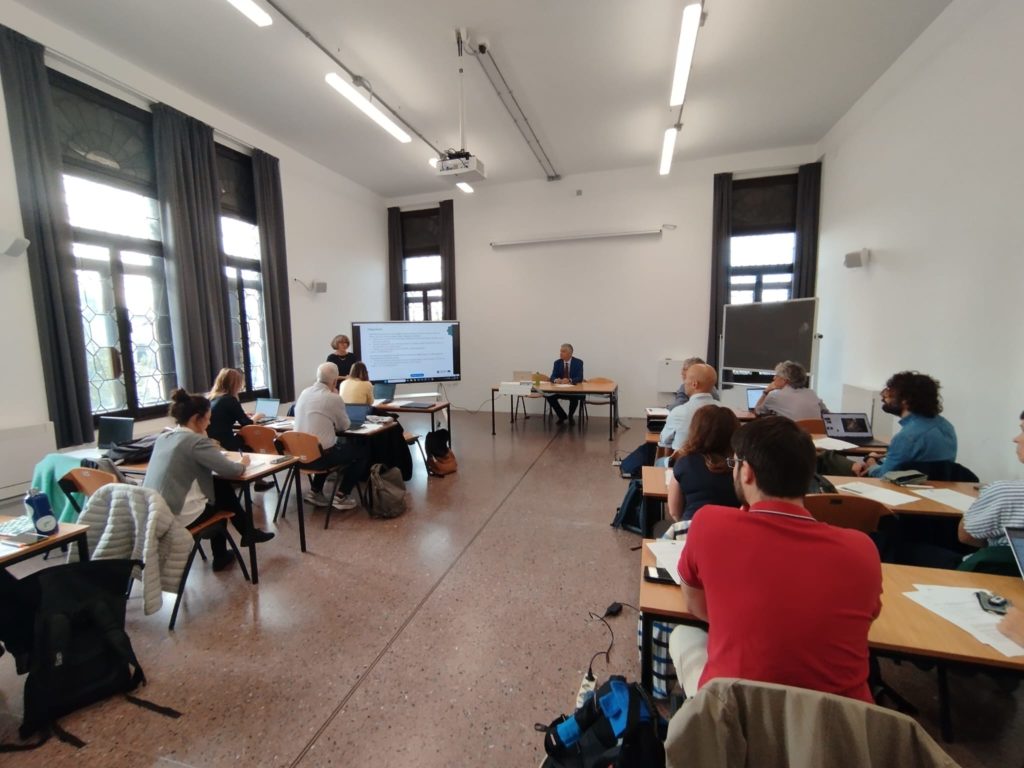
On 13–14 October 2026, MEDIGREEN brought together project partners at Università Iuav di Venezia’s Ca’ Tron for the workshop “A Mediterranean way towards the EGD goals in the marine domain through MSP”. Across two days, participants examined how national and pilot actions can inform wider Mediterranean practice and worked to refine the indicators used to assess Maritime Spatial Planning’s contribution to European Green Deal objectives.
The workshop connected practical experiences with two closely related questions: what enables an action to be transferred or scaled up, and how can its contribution to a greener Mediterranean be assessed?
Learning across countries and sectors
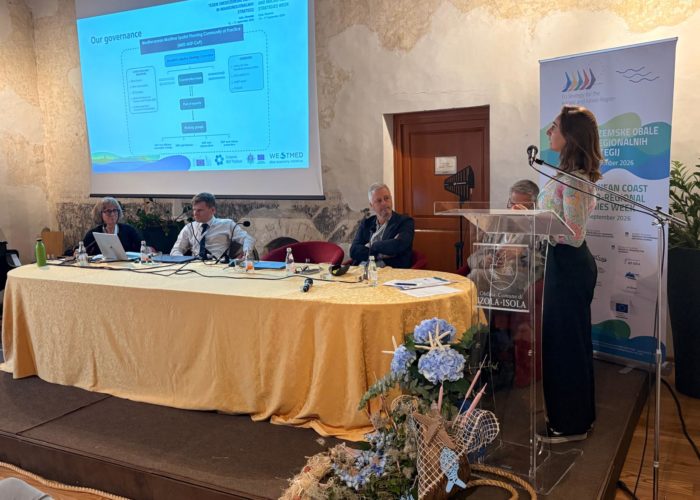
The first day opened with national actions from France, Greece, Italy and Spain, alongside pilot actions in Albania and Algeria. The experiences covered small-scale fisheries, sustainable aquaculture, offshore renewable energy, nature protection and the coexistence of marine uses, as well as cross-cutting approaches such as modelling and the blue circular economy.
Topics ranged from incorporating small-scale fisheries into planning and identifying areas for aquaculture to exploring non-exclusive offshore renewable energy zones, blue carbon, and the relationship between human activities and marine heatwaves. A presentation of preliminary cross-country analysis provided a basis for discussing common features, differences and opportunities for shared learning.
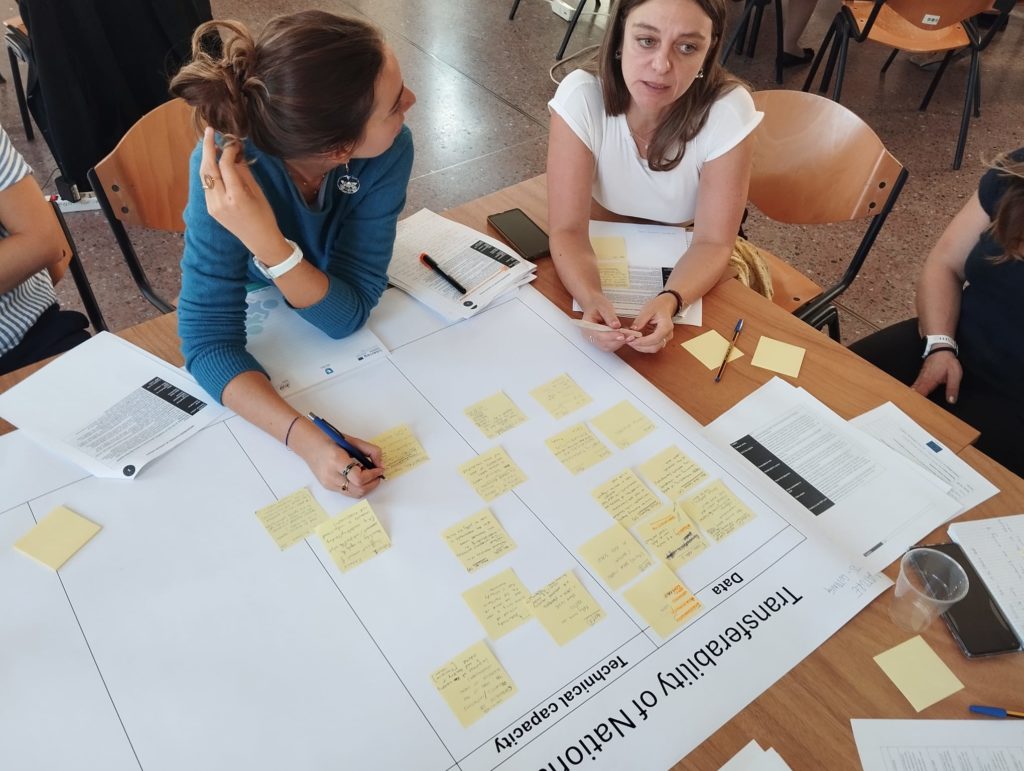
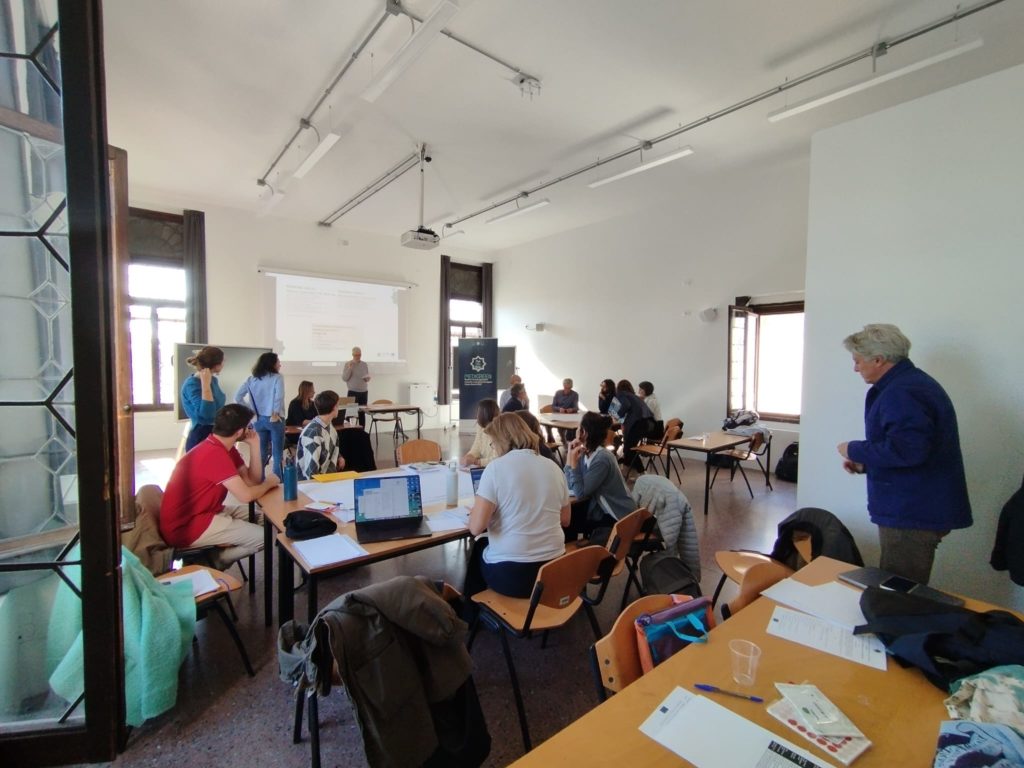
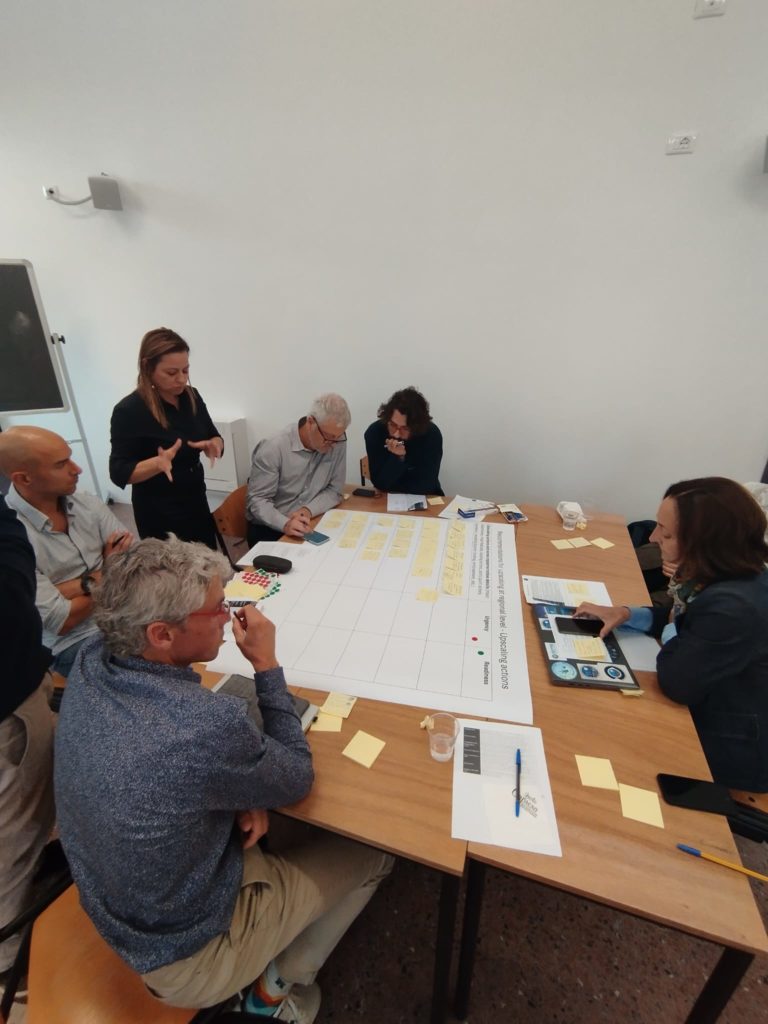
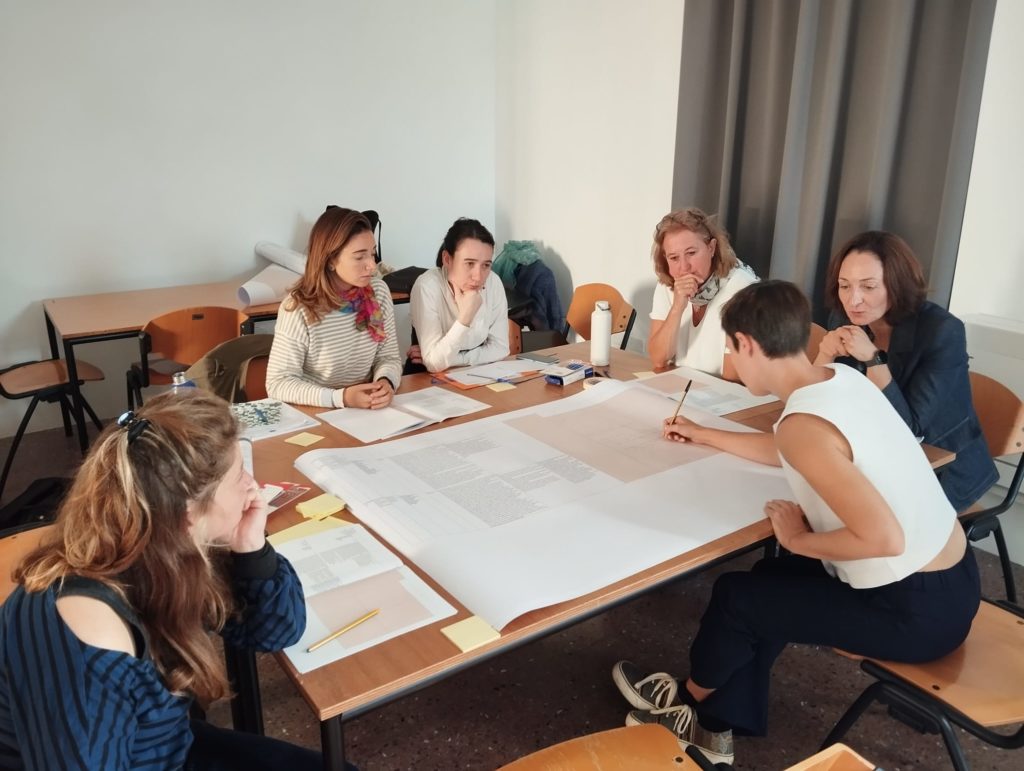
The afternoon moved from presentations to collaborative work. Participants examined the enabling conditions for transferring actions between contexts, focusing on four dimensions: data, technical capacity, governance and stakeholder engagement.
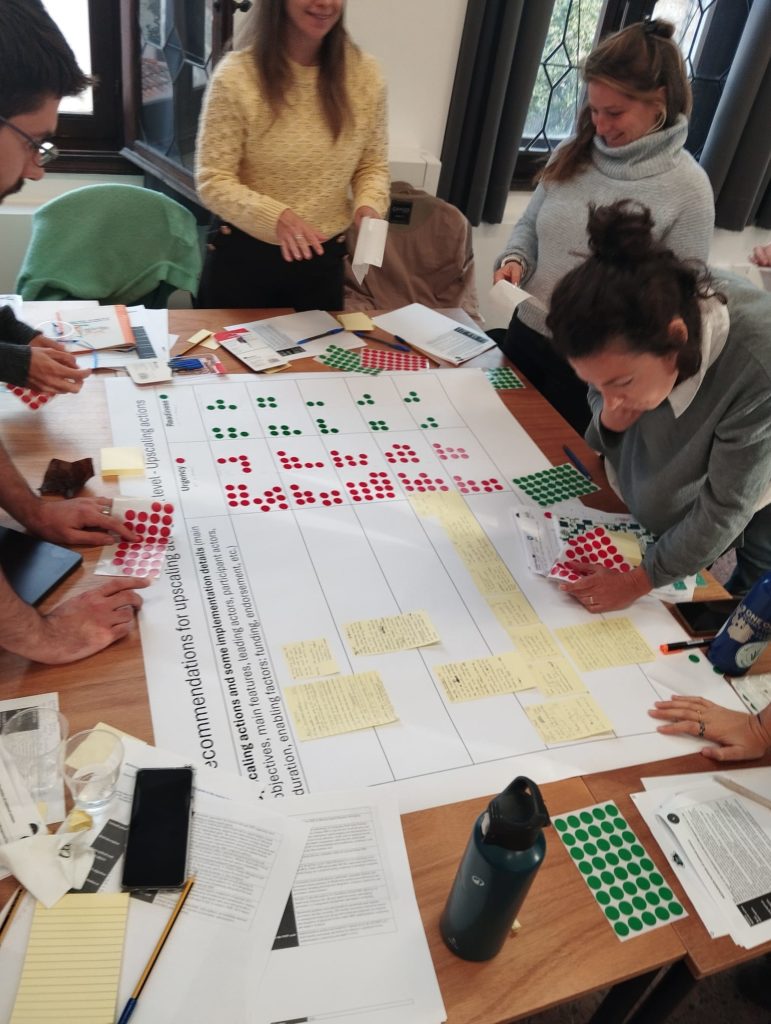
A further session explored proposals for regional upscaling. Discussions considered objectives, participating actors and implementation needs, including funding and institutional support. Assessing proposals against both urgency and readiness helped frame the practical question of what should happen next, and what would be needed to make it possible.
Putting indicators to the test
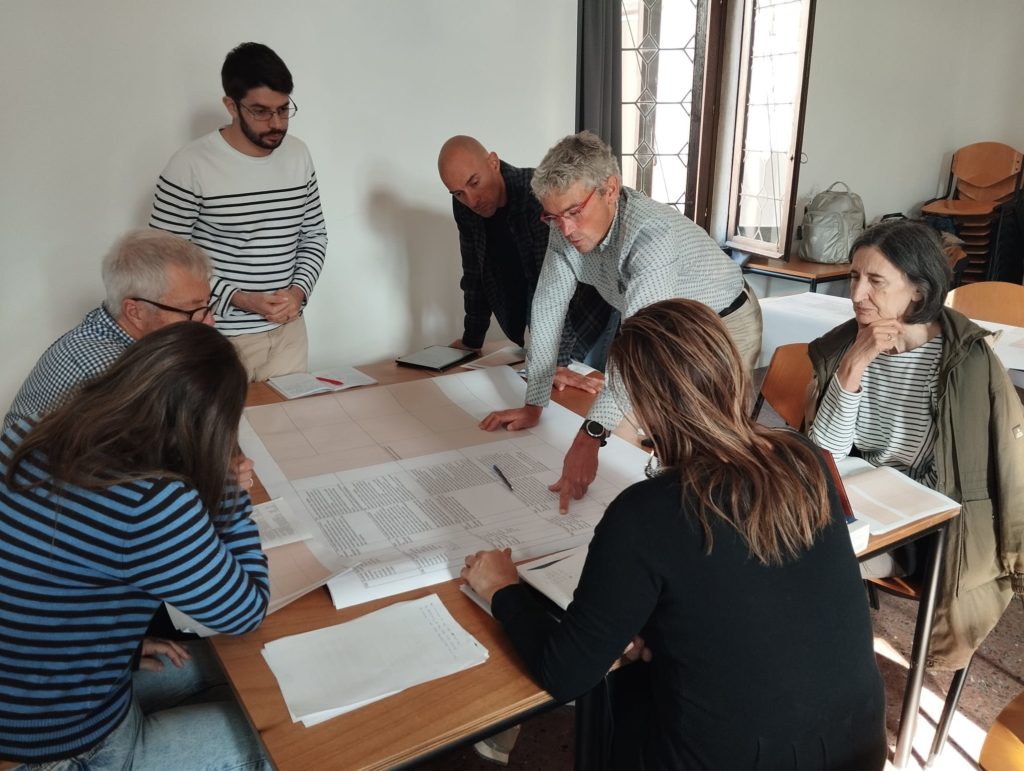
The second morning focused on MEDIGREEN’s proposed framework for assessing MSP’s impact on European Green Deal objectives. Following an introduction by Cerema, participants worked across sectoral tables on fisheries, aquaculture, offshore renewable energy and nature protection, with each participant contributing to two sectors.
The review addressed three questions. First, does the selected set of indicators provide coherent and sufficiently comprehensive coverage of the relevant objectives? Second, can the indicators be applied across Mediterranean countries, considering existing data and remaining information needs? Third, how strongly can MSP influence what each indicator measures?
This last distinction is particularly important for interpreting results. Some indicators are directly influenced by spatial planning; others reflect outcomes to which MSP contributes alongside other factors. Broader sectoral indicators can provide valuable context without being a direct measure of planning performance.
From workshop discussions to project outputs
The Venice discussions will contribute to MEDIGREEN’s recommendations on advancing European Green Deal objectives through MSP, drawing on valuable experiences across key maritime sectors.
They will also inform the finalisation of the project’s assessment framework. According to the timetable presented, workshop inputs will be incorporated between 15 and 21 October, with Cerema completing the final draft by 21 October. Partner review is scheduled for 21–27 October, ahead of submission by 31 October.
By connecting experiences from six countries with a detailed review of assessment methods, the workshop supported the next stage of MEDIGREEN’s work: developing recommendations and indicators that can be used across diverse Mediterranean planning contexts.